|
| Two Orcs | Tim Kirk | 1975 |
Presently two orcs came into view. One
was clad in ragged brown and was armed with a bow of horn; it was of a small
breed, black-skinned, with wide and snuffling nostrils: evidently a tracker of
some kind. The other was a big fighting-orc, like those of Shagrat’s company,
bearing the token of the Eye. He also had a bow at his back and carried a short
broad-headed spear. As usual they were quarrelling, and being of different
breeds they used the Common Speech after their fashion.
J.R.R. Tolkien - The Lord of the Rings, The Return of the King. 1955
Jon Peterson has unearthed what may be the first published fantasy wargame rules, by Leonard Patt in his "
Rules for Middle Earth" (
RfME) as published in
The Courier the newsletter of the New England Wargamers Association devised way back in 1970.
 |
| Leonard Patt Rules for Middle Earth 1970 |
One thing stood out to me in reading Jons assessment of
RfME which focuses mainly on it's textual and conceptual influence on Gary Gygax and Jeff Perrens
Chainmail - that this is also, very likely, the first instance of a rule for determining the effects of inter-goblinoid animosity, the bane of every Orc generals life, and a mainstay of fantasy tabletop gaming for 40 odd years.
Patt writes “Orcs
were basically very obnoxious and disagreeable even to each other” and when they “approach within four inches of one another, 1 die is thrown to see
how they react.” On a roll of 1, the orcs will fall on each other in a bloody mass of loathing and combat.
 |
| Chainmail 3rd Edtion |
In
Chainmail (1971-1975), which up until the discovery of RfME was long considered to be the first published
fantasy wargames rules, Gygax and Perren have it that "if Orcs of different kinds
approach within a charge move of each other, and they are not meleed by the
enemy, they will attack each other unless a score of 4 or better is rolled on
an
obedience die."
Chainmail of course, is the daddy of
Dungeons & Dragons - the game that would dominate fantasy gaming throughout the late 70s and early 80s, and in the AD&D
Monster Manual (1977) had quarrelsome Orcs with a chance of fighting among themselves 75% of the time.
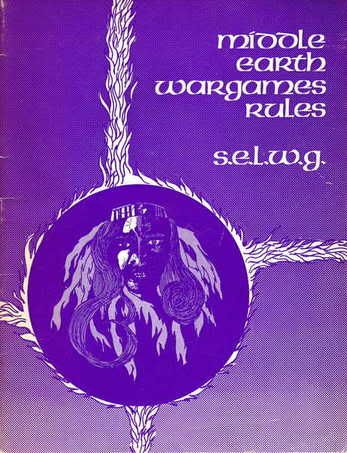
Middle Earth Wargames Rules by SELWG (1976) declares "all Orcs / Man-Orcs / Uruks will quarrel among themselves." Then gives a 1/6 chance of a quarrel breaking out. On the subsequent turn casualties are rolled for, with a 1/3 saving throw. Presence of a Nazgûl or an enemy unit mitigates the unruly behavior, and the Orcs just do as they're told. It's nice that Tolkiens language is echoed here in the use of the word
quarrel, and it's also interesting that
MEWR uses
RfME's less likely
1/6 than
Chainmails 1/2 chance.
Of the ancient fantasy wargaming tomes I have laying around, Tony Bath's
Setting up a Wargames Campaign (1973) Mike & Sheila Gilberts
Archworld (1977), don't have rules for goblin quarreling - these being somewhat less Tolkienesque settings, and neither do they appear in Richard Halliwell and Rick Priestly's
Reaper (
1981) nor John Treadaways esteemed
Lidless Eye army lists (1984) for WRG 6th Ed, which make no mention of inter-goblinoid fighting, nor does
WRG 4th Edition's "Suggested adaptions for Sword & Sorcery fanatics" (1973).
 |
| Warhammer 1st Edition | John Blanche | 1983 |
1st edition
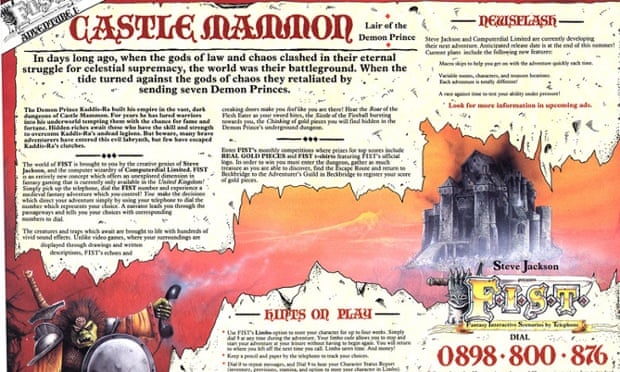
Warhammer (1983) also has no rules for misbehaving goblins. However, in he supplement
Forces of Fantasy (1984) this oversight is fixed with the introduction of the infamous
inter-goblinoid animosity table. And whilst this applies to Goblins, not Orcs (although we must acknowledge the fluidity of the terms, creatures previously known as
Red Orc are now termed
Red Goblins, etc.) the basis and mainstay of Orcish psychology in the Warhammer game for the rest of its shelf-life from 2nd-8th edition is lain down here. In
FoF a basic 1/6 chance is given of Animosity taking over, then a second die-roll to determine the Orcs behaviors, from no discernible effect to charging friendly troops. The
behavior roll has several situational modifiers, from the ability of any unit leaders that may be present, to the presence of the enemy. The rules also suggest tracking animosity points, so that after a number of infractions, the regiments will hate each other and attack on sight - the rules as narrative generator, feeding grudges into battle.
As such
Warhammer seems to follow the structure of
MEWR - roll for the
chance of animosity happening, then roll for the
effect. Rather than
RfME or
Chainmails single roll then subsequent inevitable infighting. Somewhat predictably, 2nd Edition Warhammer then turns this on it's head, having a single die roll 1/6 followed by a leadership test to rally the troops. 3rd edition has a single roll modified by the ld score, and later editions return to the mayhem of 1st edition.
 |
| War of the Ring | Tim Kirk | FGU 1977 |
To Pippin's surprise he found that much of the talk was intelligible many of the Orcs were using ordinary language. Apparently the members of two or three quite different tribes were present, and they could not understand one another's orc-speech. There was an angry debate concerning what they were to do now: which way they were to take and what should be done with the prisoners.
J.R.R. Tolkien - The Lord of the Rings, The Two Towers 1955
Tolkiens Orcs, be they skirting the southern the edges of Fangorn forest,
taking the Hobbits to Isengard, or running amok in the tower of
Cirith Ungol are not simply fighting amongst themselves because they hate each other (which they do, no doubt) but arguing about who gets the spoils of war - the prize of Hobbit captives, alive or dead, or the Bagginses Mithril shirt, or conflicting orders in Mordor. This suggests a more Tolkienesque model of Orcish behavior would have them be narratively motivated - the attainment of some prize or objective by one unit of Orcs, triggering the attempt to steal or usurp that prize by others nearby, so they may hope to earn glory from their masters. Similarly the clash of Orcs at the Isenmouthe that allowed Frodo and Sam to slip away causes
minor scuffles and
confusion, caused by different groups of Orcs trying to follow orders to occupy the same space, rather than bloodshed.
Still, just rolling dice to have your own troops bash each others heads in is a venerable conceit, emerging from the dawn of the fantasy wargaming hobby, and certainly adds to the colour.